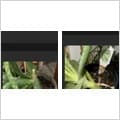
Aloe vera #2
Aloe vera
#2 of 2 you own
Toxic to pets☀ Bright indirectEasy care
Check in 2 days· Jul 15
Water only after the soil has dried completely.
Every 14 daysLast watered: 2026-07-01
This is a soil-check date, not an automatic watering date.
Overview
- Summary, origin & habitat
- An evergreen succulent native to the Arabian Peninsula and widely naturalized in warm dry regions. It is famous for clear inner-leaf gel used topically, while the yellow latex layer is irritating and unsafe to ingest casually.
- Interesting facts
- Only the clear inner gel is commonly used topically; the latex just beneath the skin contains anthraquinones and can cause illness.
- Name story
- Aloe is linked to the Arabic alloeh, meaning a bitter shining substance. Vera comes from Latin verus, “true.”
- History & legends
- Aloe has a very long history in Mediterranean, Middle Eastern and African traditional medicine and appears in records from antiquity. Popular traditions sometimes call it the “plant of immortality.”
Care
- Light
- Very bright indirect light or direct morning sun; acclimate gradually to stronger sun.
- Temperature
- 55–85°F (13–29°C); frost-sensitive.
- Watering
- Water only after the soil has dried completely.
- Fertilizing
- Feed once in spring with diluted cactus fertilizer; an optional second light feeding in early summer.
- Toughness
- High
- Difficulty
- Easy
- Maintenance
- Low
- Maintenance notes
- Use a gritty mix, strong light and infrequent watering. The most common failure is root rot from wet soil.
Growth & flowers
- Mature height
- Usually 1–3 ft
- Mature spread
- Usually 1–3 ft as offsets develop
- Leaf colors
- Green to gray-green or blue-green; young leaves may show pale spots.
- Leaf type / form
- Thick, fleshy, lance-shaped leaves in a basal rosette with small marginal teeth and gel inside.
- Best planting / repotting time
- Spring to early summer; indoor potting can occur year-round if warmth and light are adequate.
- Bloom time
- Mature plants often bloom winter–spring; timing may shift in warm outdoor climates.
- Flower color
- Yellow, orange or red tubular flowers on a tall spike.
Safety
- Toxic if eaten?
- Yes
- Who is affected
- People, cats and dogs
- Possible effects
- Whole leaves or latex may cause abdominal cramping, diarrhea or vomiting; sap can irritate skin.
A safety guide, not medical or veterinary advice. “Non-toxic” does not mean edible — even non-toxic plants can cause stomach upset. For a person, contact Poison Control; for a pet, a veterinarian.
Tips
- Pruning
- Remove damaged or spent outer leaves cleanly at the base. Harvest only a few mature outer leaves at a time.
- Propagation
- Separate rooted pups or offsets. Seed is possible but uncommon for household propagation.
- Repotting
- Repot every 2–3 years or when top-heavy. Use a pot with drainage holes, ideally only slightly larger than the root system.
Ecology
- Adaptation strategy
- CAM photosynthesis, a waxy epidermis and water-storing gel-filled leaves allow survival through long dry periods.
- Ecological application
- Useful for xeriscapes, rock gardens, educational or medicinal-theme containers. Outdoor flowers attract bees, butterflies and hummingbirds; it may naturalize in suitable climates.